
When One Moment Won't Stay in the Past
The accident was eight months ago. And still, it keeps happening. You flinch when a car revs up fast behind you or a tire blows out in the distance. You take the roundabout way home to avoid that intersection, so often now that you don't notice you're doing it. Some nights, when your head hits the pillow, the scenes play out again: the moment you realized there was danger, and that strange interstitial second or two before impact when all you could do was wait for it. Then the alien sound of metal and plastic crunching, and the terrible reality of having no control. You aren't yourself, despite your best efforts, and you just blew up at your spouse.
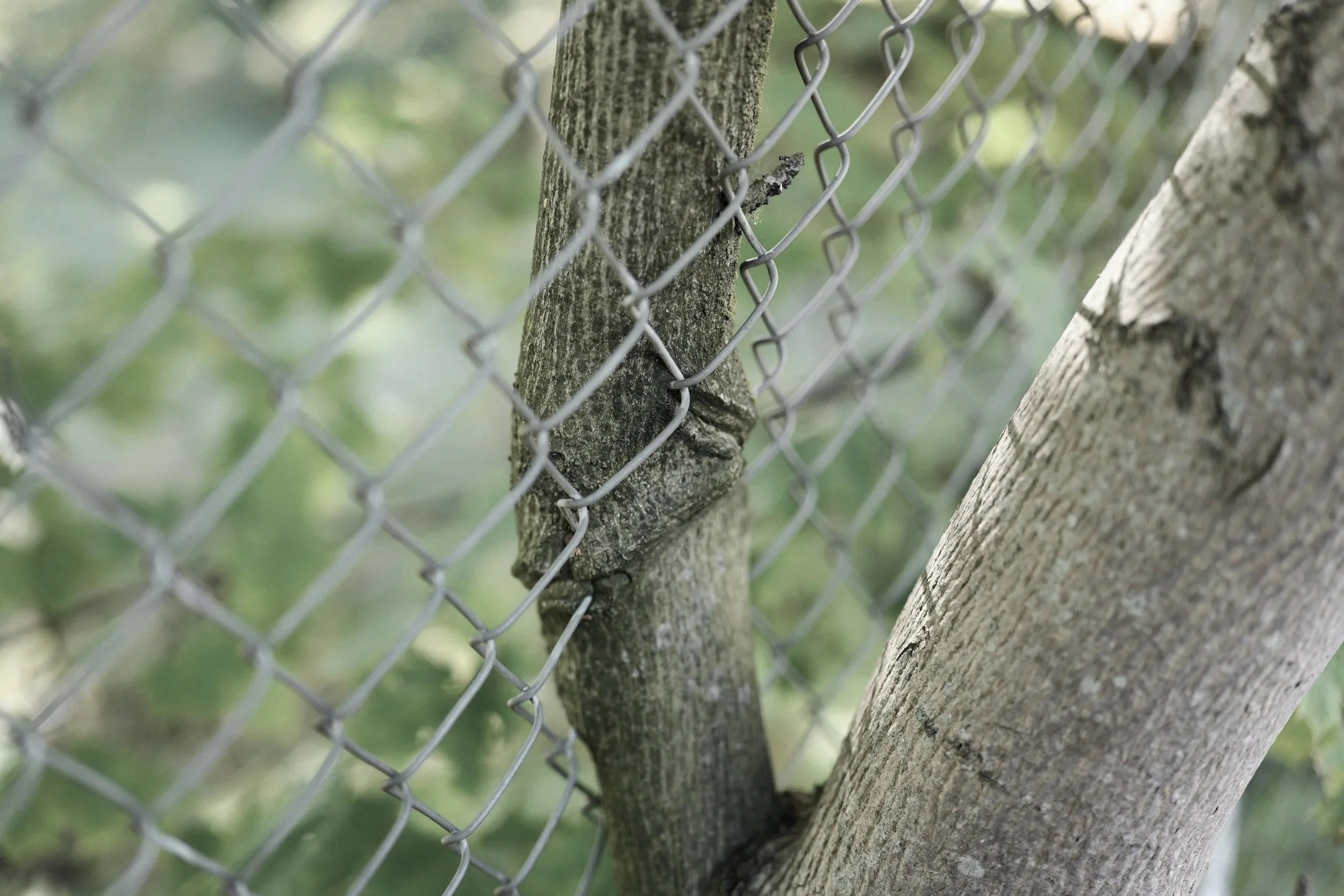
So what gives? You're physically safe. You're back at work, spending time with the kids. Nothing's wrong. At least that's what you keep telling the people who love you. But something is. And underneath the wish for everything to be as it was before, the truth is that this one night has lodged itself in your life the way a tree trunk grows around a fence post.
Whether it was a car accident, an assault, a medical emergency, a sudden loss, or violence you witnessed, naming what happened as trauma is itself an act of control. It's also the first step toward recovering from something specific and well understood: what may be post-traumatic stress disorder, or PTSD.
Single-Incident Trauma: A Clear Before and After
Trauma doesn't all look the same, and it helps to distinguish between two broad categories when thinking about treatment. There is complex trauma, which I've written about extensively on this site, and there is single-incident trauma. Complex trauma usually develops through repeated harm in relationships that were supposed to be safe, often beginning in childhood. Single-incident trauma is just what it sounds like: you can pinpoint the moment it happened, and you can recall a clear before and after.
The two also usually feel different from the inside. With complex trauma, many people struggle to grasp how far the impact reaches and how much it shows up in their lives, because the trauma was the water they swam in growing up. They might sense that it's there and that it's pervasive, but it can be hard to spot because it feels so elemental. With single-incident trauma, people typically know exactly what happened and what life felt like before and after. What's confusing is why it still has such a strong hold when the threat is long gone.
PTSD can follow either kind of trauma. Since so much of my writing here has focused on the complex, relational variety, I want to shift the focus in this piece to folks whose lives were upended by a single event. Helping people recover from this kind of trauma is a central part of my PTSD and trauma therapy practice.
Why Some People Develop PTSD and Others Don't
Most people who go through a frightening event have some kind of traumatic stress response afterward. This is normal. Restful sleep is hard to come by for a while. You're jumpier than usual, or maybe oddly numb. At least in the first days and weeks, your mind and body are doing exactly what you'd expect after a terrifying experience.
For most people, those reactions fade within several weeks or months. The nervous system returns to baseline, and what was too much to process at the time is slowly digested. The event settles into memory as one more part of your story, no longer so charged. For some people, though, that return to baseline doesn't happen. The reactions persist, or unexpectedly resurface months later, and daily life starts to reorganize itself around them. That's when clinicians begin to consider PTSD.
Why does this happen to some people, or with some experiences, but not others? Research points to a handful of factors, most of them outside a person's control:
What happened during the event. People are more likely to develop lasting symptoms if they dissociated during the trauma (feeling detached, unreal, or as if watching from outside themselves). When fighting or fleeing isn't possible, the nervous system may freeze or shut down, because that's the best remaining chance of survival.
What happened afterward. Support from friends, family, and community is one of the strongest protective factors after a trauma. People who end up isolated, disbelieved, or pressured to move on quickly often have a harder time processing the event and carry a heavier load.
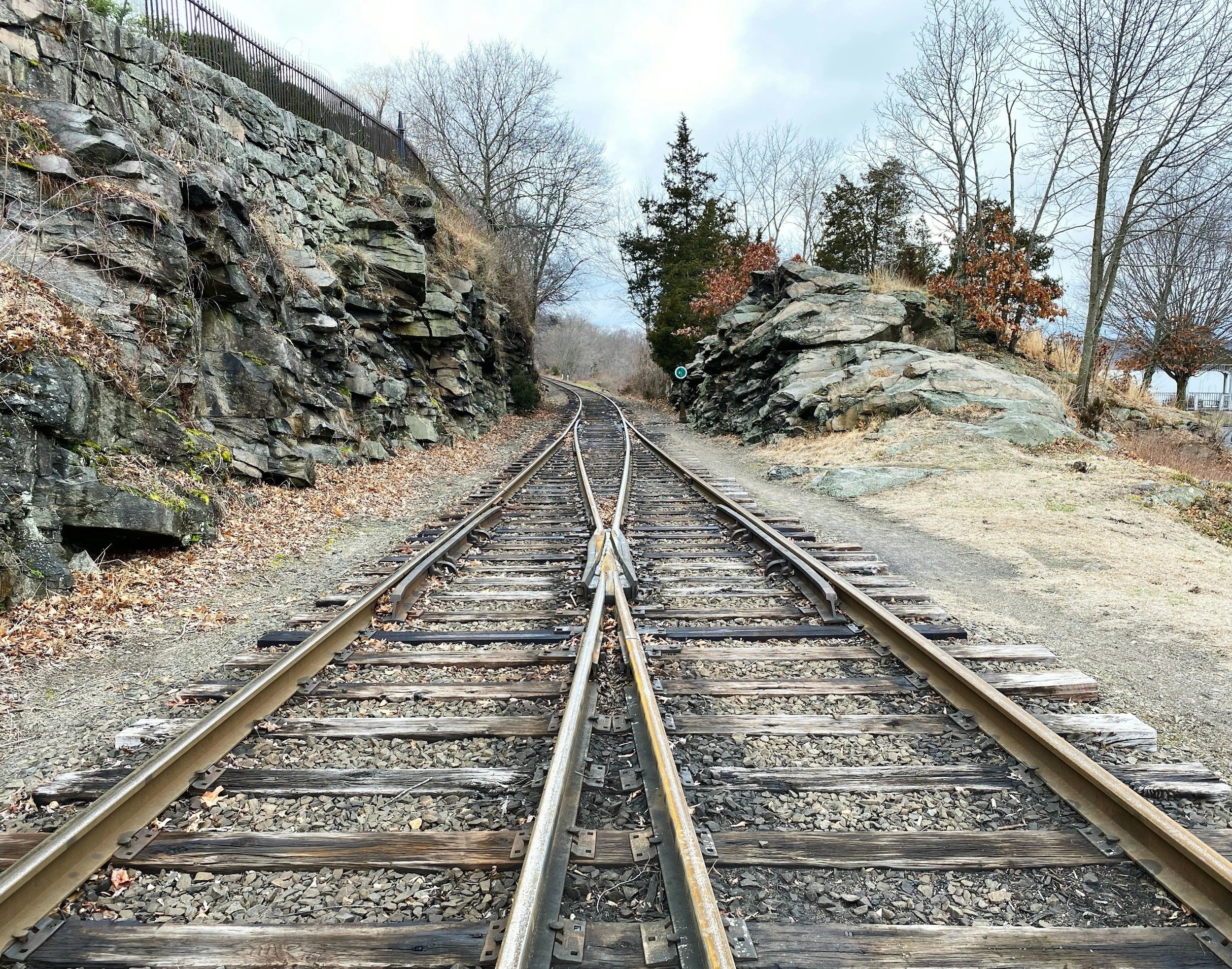
What happened before. Earlier trauma, whether in childhood or adulthood, can make a new event land harder, even if the old trauma seems resolved. As the brain and nervous system work out how to store the new memory, they can link it to similar experiences from the past and fold those older memories in. The new event gets routed onto earlier train tracks, so to speak, or laid down on top of them.
Avoidance. This is the one factor you have real influence over, and it's a bit counterintuitive. The natural response to something painful is to stay away from it, and in the short term, avoidance brings relief. Over time, it keeps the memory from being metabolized and keeps the fear alive.
What PTSD After One Event Looks Like
PTSD has four recognized clusters of symptoms: intrusion or re-experiencing, avoidance, negative changes in mood and thinking, and hyperarousal. In less clinical speak, it looks like this.
Memories intrude. Vivid images on replay, nightmares, or waves of fear at sights or sounds that remind your system of the event. Sometimes the reminder is obvious, like a siren or a news story. Often the connection is less obvious: a time of day or year, the tone of someone's voice, a whiff of scent your nervous system reacts to. Before you understand what set it off, you've already reacted.
Your world narrows. You avoid places, people, conversations, events, or activities connected to what happened. It happens so gradually that you stop noticing, or it stops seeming like a problem. You no longer drive on the highway, or you changed gyms, or maybe you leave the room when a certain kind of show comes on. Each of these seems reasonable on its own, at least at first. But if you really stop to take stock (and sometimes it's the people who love us who make us take stock), you can see that your life has shrunk.
Your thoughts and mood change. Trauma can change how you see yourself and the world around you. Where there was a sense of normalcy or calm, now there is guilt, shame, anger, or detachment. The joy you used to feel with friends or hobbies just isn't there. It can feel like trying to live with cellophane wrapped around you.
Your body stands guard. You startle easily. Sleep is shallow and unrestful. You're more irritable than you want to be, or than the situation calls for. You may scan rooms, doorways, traffic, and strangers in a way that used to be foreign to you. In other words, your nervous system has decided the danger hasn't passed.
You don't need every one of these symptoms to acknowledge that you've been struggling. Labeling and counting symptoms isn't the point. What ultimately matters is how the event is still shaping the way you live.
How Trauma Changes Your Beliefs
Trauma, even when it's "just" one incident, can quickly rewrite our basic assumptions. Most of us move through life with a sense that the world is safe enough, that we can protect ourselves when we need to, and that tragedies are things we hear about, things that scare us but ultimately happen to other people. One moment can change all of that.
In my experience, the beliefs that take their place are understandable but misguided attempts to protect you:
I should have seen it coming.
It's my fault.
I'm not safe anymore.
I can't trust myself.
I'm weak.
Your poor nervous system is trying to protect present and future you, using information it couldn't properly digest in the rush of stress hormones during the event. We're wired to want control, almost at any cost. So it makes sense that so many of the beliefs people carry out of trauma are about what they did wrong. If you can pin down what went wrong, then in theory you can make sure nothing terrible ever happens again.
Yet another part of you knows full well this is garbage. You couldn't possibly have prevented the accident, or the assault, or the storm. The beliefs persist anyway, and they wipe people out, because walking around with self-blame all day, every day, is torture. Undoing them means working with the stored trauma not just through reason, but also through implicit, somatic memory.
Why You Can't Think Your Way Out of It
People struggling with PTSD are often frustrated with themselves, because they already understand much of what I just described: the event is over, they're safe now, and they survived something that was beyond their control. They have the insight, and they can logically argue back with their thoughts. Yet the thoughts keep their power, and the reactions have become habitual, despite their best efforts.
There's a reason all that sensible logic isn't moving the needle. Everyday memories are stored with context. A time stamp, for example. A sense that it's over. Traumatic memories are stored differently. Under extreme stress, the brain and nervous system prioritize survival, and the event isn't filed away as having happened in the past, the way it normally would be. Instead, the images can be fragmented or loaded with an unusual amount of sensory detail. The memory also feels strangely disconnected from the main takeaway: that you survived. So when the memory is triggered, it isn't ordinary remembering. It's a reliving of the event, in real time, in your body.
That's why we can't expect insight alone to resolve PTSD, and the same goes for willpower. Telling yourself it's over and that you're safe speaks to the logical side of your brain. The implicit, automatic memory stored in your body needs something else: a different experience, in the moment, when the trauma comes to the fore. This is key in treating trauma.
In this sense, avoidance is an understandable response and may even be necessary at times, at least until grounding and coping skills are in place. Over time, though, avoidance makes the problem worse. Each time your brain registers a successful escape, it reinforces the sense that you don't have the capacity to face this, and that, yes, this really is something to fear. So anxiety tends to grow with each avoided trigger. Part of healing is facing what is feared. But this should only happen when the right support and structure are in place, so that you can stay present in the room where you are, with the people you're with, without being flooded.
How Treatment Helps: EMDR for PTSD
Several trauma-focused therapies have strong research support, including EMDR, cognitive processing therapy, and prolonged exposure. The World Health Organization and the U.S. Department of Veterans Affairs both recommend trauma-focused therapies like these for PTSD. While there are important differences between these modalities, the common thread they share is the safe, paced, and deliberate engagement of the memory, so that it can change.
The approach I use most often for trauma from a single event is EMDR therapy (Eye Movement Desensitization and Reprocessing). It's a treatment designed specifically for disturbing memories, and it has been studied extensively over the course of nearly four decades.
In EMDR, we start by building your capacity to "keep one foot in the present" while working with stressful material, focusing on sensory and grounding skills that keep the prefrontal cortex (or the thinking part of the brain) online so you aren't flooded. Once those skills are fine-tuned, we identify several key components: the memory, the image that carries the most charge, the belief attached to it (I'm not safe, It was my fault), the emotions you notice, and the way those emotions feel in your body.
From there, you hold the memory in mind while going through sets of bilateral stimulation (eye movements or alternating taps). Bilateral stimulation is thought to help regulate the nervous system while you engage with difficult material. If those eye movements feel distracting, well, that's part of the point. The nervous system learns that this memory can be activated without firefighters being called in. Your job is just to notice. It's not to narrate the event in detail (though some people choose to do so) or relive it over and over. It really is just to notice.
My clients often describe that their memory of the event begins to shift. The images aren't as vivid and the video reel starts to fade. Details are harder to recall and an odd, but welcome, distance starts to grow between them and the memory. As the emotional charge drops, the outdated beliefs loosen their vise grip. And when this happens, reality can finally gain a foothold: It's over. I did what I could. I'm safe now. You still remember the event. It's not wiped from your brain. But now it feels finished, the way other memories do.
When It's Time to Get Help
There's no rule that says you have to wait until things get bad. A few signs suggest it's worth talking to someone:
It's been more than a month and the reactions aren't easing or are getting worse.
Your life has gotten smaller, or, to state it a different way, you avoid places, activities, or people.
Sleep, work, or relationships are taking a hit.
You're leaning on alcohol, substances, or workaholism to keep the memory at bay.
The event happened long ago and you've assumed that how you feel is simply who you are now.
That last one is more common than people realize. Many people live with the aftermath of a trauma for years, sometimes decades, because they kept functioning and never knew there was an alternative. Time is a healer... except when it's not. And if it hasn't been for you, you can still process and file away this memory, even many years later.
If you're having thoughts of harming yourself, call or text 988 to reach the Suicide & Crisis Lifeline.
Working Together
If a traumatic event is still shaping your life, please reach out. I work with adults in person in McLean, Virginia, and by telehealth throughout Virginia, Maryland, and Washington, D.C.
I offer a free initial consultation. You don't need to have the words figured out beforehand, and you don't need to tell me the whole story to start.